
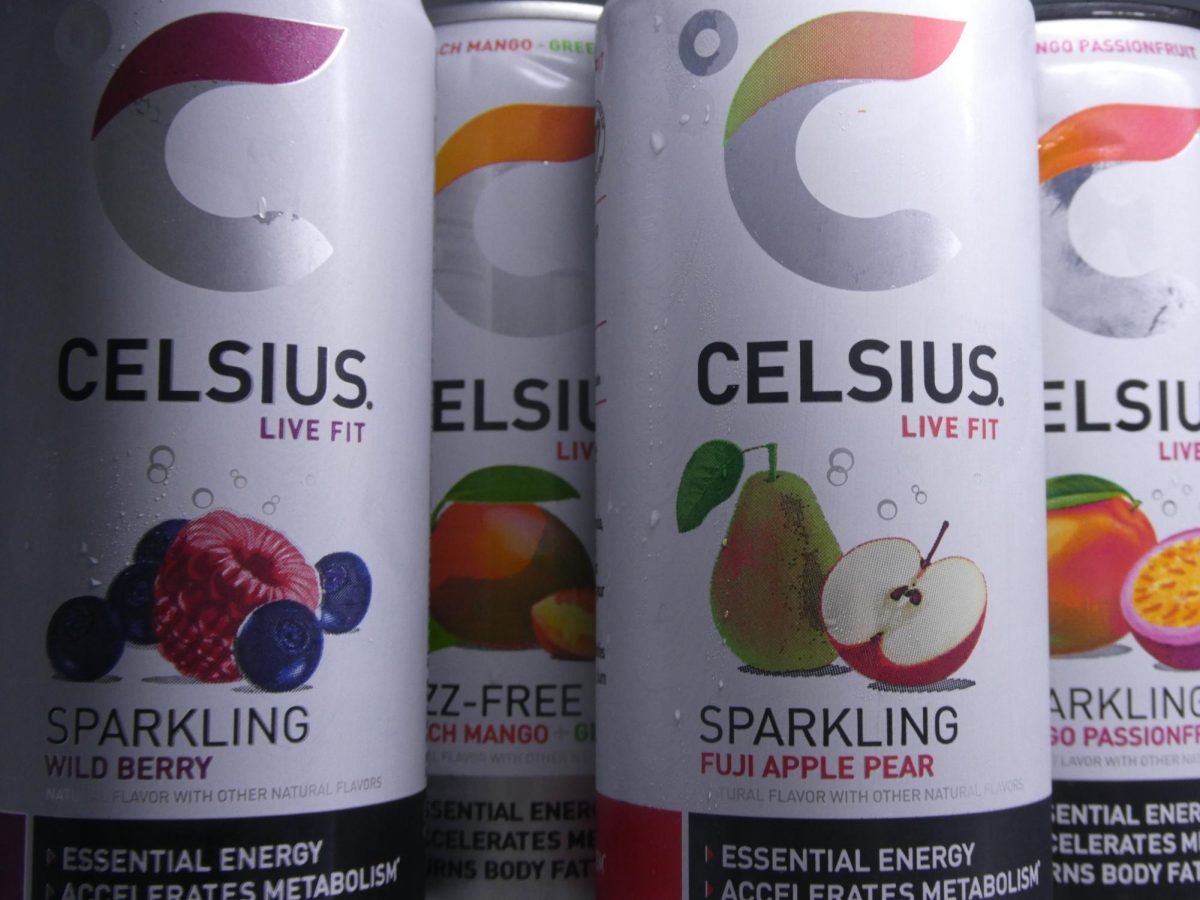
After a long night of studying and finishing homework, students often don’t have enough time to get a full eight hours of sleep. In the morning, when their alarm clock goes off, many reach for a quick boost of energy in a can.
Energy drinks are becoming increasingly popular among high school students. They are often used to compensate for a lack of sleep, but students often do not realize the health impacts of drinking energy drinks frequently. A study conducted by the CDC found that 30-50% of young adults consume energy drinks regularly. Common brands like Celsius and Alani Nu appeal to teenagers through fun packaging and a variety of flavors that disguise the drink as a trendy soda. These advertisements encourage more high school students to turn to energy drinks as opposed to coffee.
Celsius and Alani Nu contain 200 milligrams of caffeine in one 12-ounce drink. To put that into perspective, a 12- ounce cup of coffee typically contains between 120 and 150 milligrams of caffeine. While drinking one occasionally might not have any major impacts on a student’s health, drinking multiple cans of energy drinks daily can have serious health implications.
The CDC recommends that anyone under 18 should only consume up to 100 milligrams of caffeine each day, half of what is in a typical energy drink. The health implications caused by energy drinks can range from problems sleeping to severe heart issues.
While energy drinks seem like a fun and harmless boost, they contain lots of caffeine and can lead to health issues. The next time you find yourself reaching for an energy drink, instead grab a regular soda for the same flavor, or if it’s energy that you’re looking for, stick to coffee for a better amount of caffeine.