
With course selection wrapping up this past Sunday, lingering questions regarding class choices continue to be a relevant discussion for students. For many, especially current 9th graders, the numerous English and History courses LS offers have proven to be difficult to choose from, with factors such as difficulty level, teachers, and recommendations all bearing weight to their ultimate decisions. Advanced Placement United States History (APUSH) is no exception, a course common among sophomores but one that often is the cause for much debate on whether it is worth the long hours of work and studying involved. Interviews with the teacher, Mr. Gilman, and current student, Athena Montori, have given perspective to some of these inquiries and shed light on the expectations compared to the realities of this challenging course.
Mr. Gilman, admittedly a bit out of the loop on student’s expectations of APUSH, shares a surprising fact; many students who have taken the course tell him they were fearful when coming into the class, but found that it wasn’t as bad as it seemed. Though the class is definitely challenging with its abundance of readings, volume of content, pressure of timed essay-writing, and difficulty of test taking, it has been proven that “success” can be achieved.
When questioned about what makes an “ideal” APUSH student, Gilman highlights characteristics of high achieving students. He lists many traits such as time management, self-responsibility and accountability, organization, independence, and content appliance, but most significantly, the importance of passion. When students mix some talent with true interest, that is when he finds that students reach their fullest potential.
On the other hand, Gilman points out some negative traits that can lead to poor results: struggling with multitasking, being overwhelmed by too much material, lacking enjoyment of history, balancing many difficult classes, and especially, not being able to handle getting lower grades. APUSH, with its large amount of content, limited time, and constant challenges, usually results in lower grades. Students who put too much pressure on their grades may form a hatred for the class if they see their grades dropping. Students who struggle with many of these qualities may be advised to go another route, so that they can lead their most successful academic lives.
Finally, Gilman touches on some downsides of APUSH. Although the class has plenty of material to learn, content is often viewed in a shallower way as time is of the essence in the race to the AP exam. Material can be sped through, especially certain events or topics, which may guide students towards other options such as 20th century United States History or Modern United States History, which allow students to dig deeper into subjects of interest.
In total, Gilman highlights how the class is very unique from any other history course offered at LSRHS, due to its high rigor and plentiful substance, thus providing a challenge to passionate and driven students.
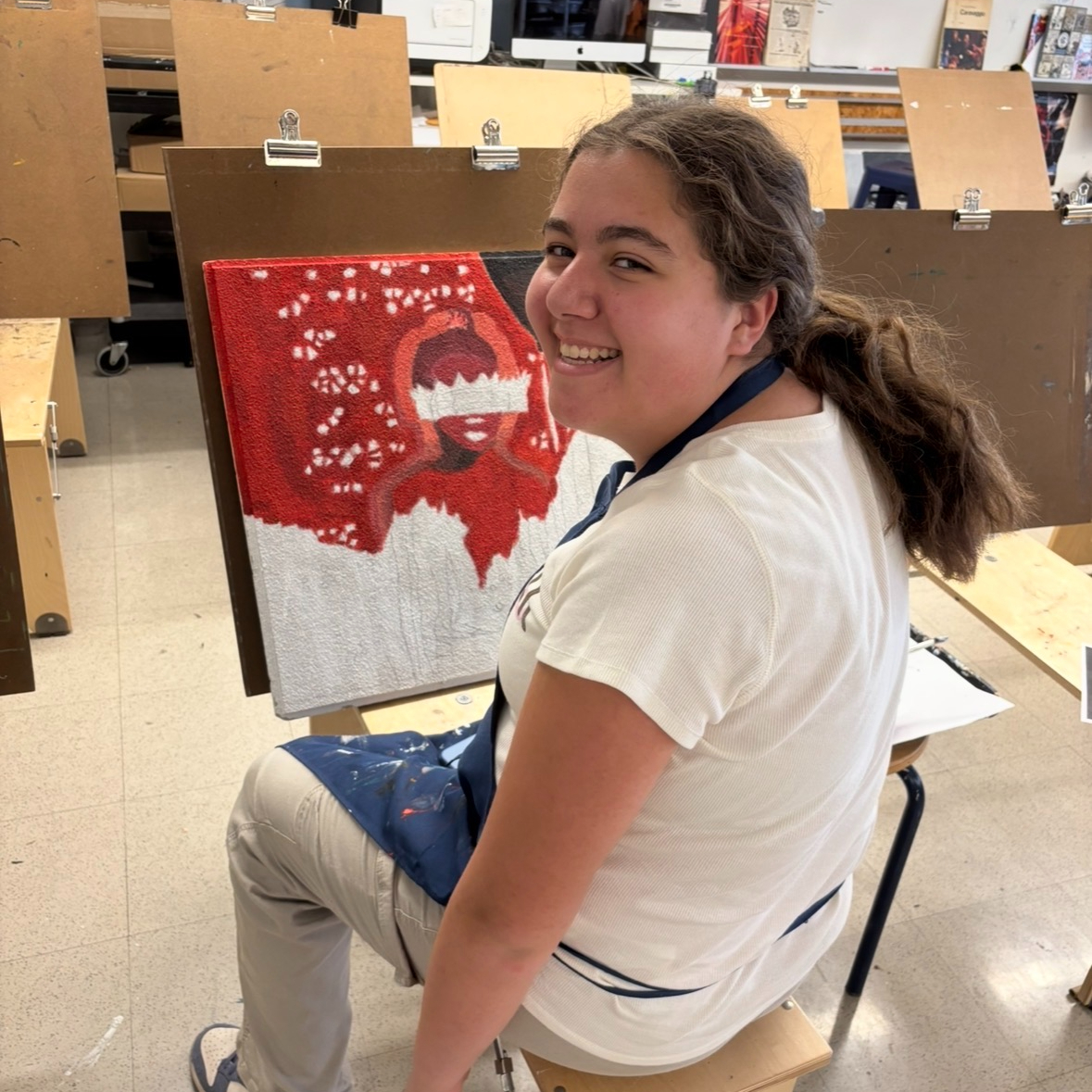
Current student Athena Montori gives her perspective on this topic. She shares that coming into the class, she didn’t fully understand the density of the reading material expected of students. Typically, 10 or more pages of textbook reading are assigned per night, depending on the class’ test schedule. Many students will also do less work on certain nights and make up for this by doing extra reading other times. Additionally, she states that “the entire class is application of ideas and concepts rather than memorization, which students might be more used to.” Modern World History, while certainly a valuable class, is organized very differently and provides much more structure to students compared to APUSH. Work is independent and students are in charge of keeping themselves on schedule.
While the appeal of a humanities-focused AP class may draw in many takers, Athena highlights the dangers of only taking this class to check off an AP on one’s schedule: “You learn so much material in this class, so if you’re really into learning, I suggest it. But if all you care about is grades, it may not be worth it.” Going into the class with expectations of getting an A on every test will only set one up for failure. Hard work and determination will result in high grades, but flexibility is crucial as not every test grade may be as desired. “If you are really willing to give it your all and absolutely love history, definitely take it. People who aren’t prepared for a lot of reading or who may struggle to do independent work may not do as well in this class.” Despite the rigor expected of students, many have found fulfillment in their hard work and have enjoyed the knowledge they have gained throughout the year. Athena expresses her gratitude at her decision to take the class, even though it has not always been easy. “Overall I recommend this class and have enjoyed it.”
If you zoom out, APUSH is often viewed as intimidating and strenuous, but when digging deeper, it is proven to be a class that fosters an environment of education and growth. By considering the advice given by both Mr. Gilman and Athena Montori, the course is revealed, like any other class, to have its ups and downs. APUSH is most certainly no walk in the park, but it is a manageable and extremely engaging class that is a very good fit for many of LSRHS’s dedicated students.