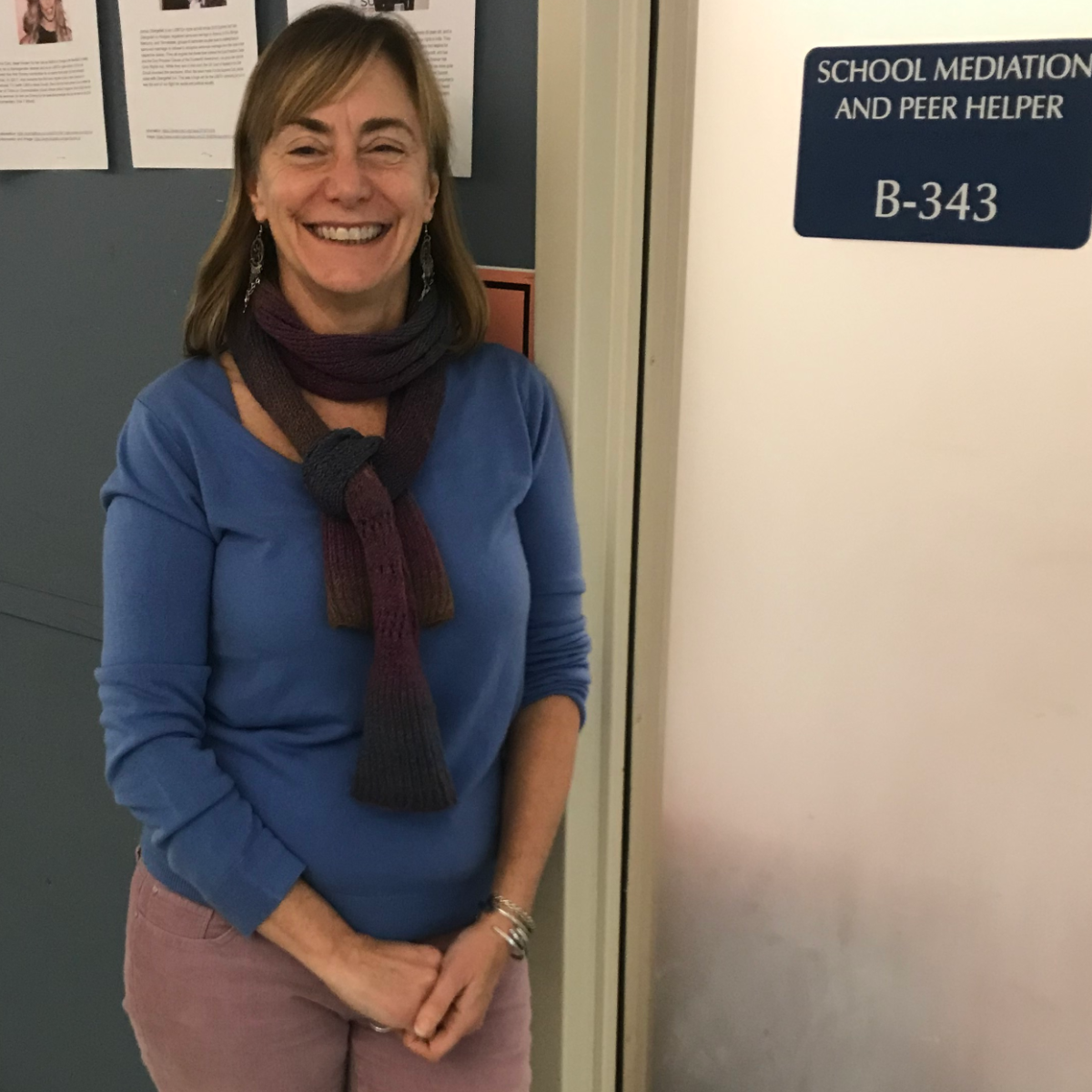
A Massachusetts woman, Stacey Schuhwerk, got stuck in the Middle East because of the war in Iran. She was able to escape, but not with the help of the U.S. government. They were nowhere to be seen, which forced her to find her own way out despite the constant missiles, closures, and chaos. I was able to interview her, and this is the story she told me about how she managed to get out.
After taking a vacation, Stacey and her son were returning from the Seychelles. They planned to spend two days in Doha to go sightseeing before catching a plane back home. However, the Trump administration had other plans. The day after seeing the colorful and crowded Ramadan celebrations, she went to an art museum. On her way out, though, phones started blaring—similar to how we have Amber Alerts now, but much louder and in Arabic. Most people were confused and didn’t know what the issue was. She found out that the bombing in Iran had started and called an Uber back to their hotel while her son tried to reach out to contacts in the Defense Department to figure out what was going on.
Once they got back to the hotel, the first thing they noticed was that there were no doormen. Instead, people were ushering them inside quickly as missiles started coming in overhead. They registered with the State Department and were told that help was on its way. Despite this, eight days passed, and U.S. assistance had only come for members of the embassy. During those eight days, they felt nothing but fear—fear that the missiles would get through defenses, fear that there wouldn’t be enough resources, fear that no one would come to save them. The hotel was becoming more deserted by the day, and within a few days they were among the few people left. When they asked where everyone had gone, they learned that other countries had evacuated their citizens. This led to one question tugging at them: Where is the U.S.?
When the roads reopened, they realized they had to get out by themselves. They got in contact with emergency security drivers and left the hotel to try to get to Riyadh, which was an eight‑hour drive away. Once they were able to get a hold of a car, they left the hotel and were on their way. They were very nervous the entire time they were outside, with Stacey wearing a scarf and her son constantly contacting people. About halfway through the ride, their driver pulled over and another man told them to get in his car. This scared them because they had not been notified about anything like this and thought they might be in trouble. However, it turned out that their driver had been severely overworked and had been driving for thirty hours nonstop.
Later, when they reached Riyadh and got a hotel, they tried to book flights at any cost. But there was one issue: most of the airport had been shut down because of incoming missiles. They were able to get a stroke of luck. At their hotel, they met a man directing Americans where to go and spoke with him for a bit. It turned out he was helping to evacuate an embassy that had been completely destroyed. The evacuees were brought to Riyadh with everything they owned in a single bag. Stacey knew these people needed help more than she did. Some were taking care of toddlers and newborns and had lost most of what they had.
Finally, they got on a bus escorted by four armored vehicles that took them to an airport—and finally, to their plane home.
After all of this, Stacey said she was very angry that the government did nothing to help them get out. They didn’t have a real plan for what would happen to Americans outside of Iran once the bombing started, which is how she and her son ended up in this situation. They lived in a constant state of fear, barely sleeping, turning their phones off in case of tracking, and being unable to talk to anyone. She says she still wakes up at the sound of sirens, ready to leave if she has to.