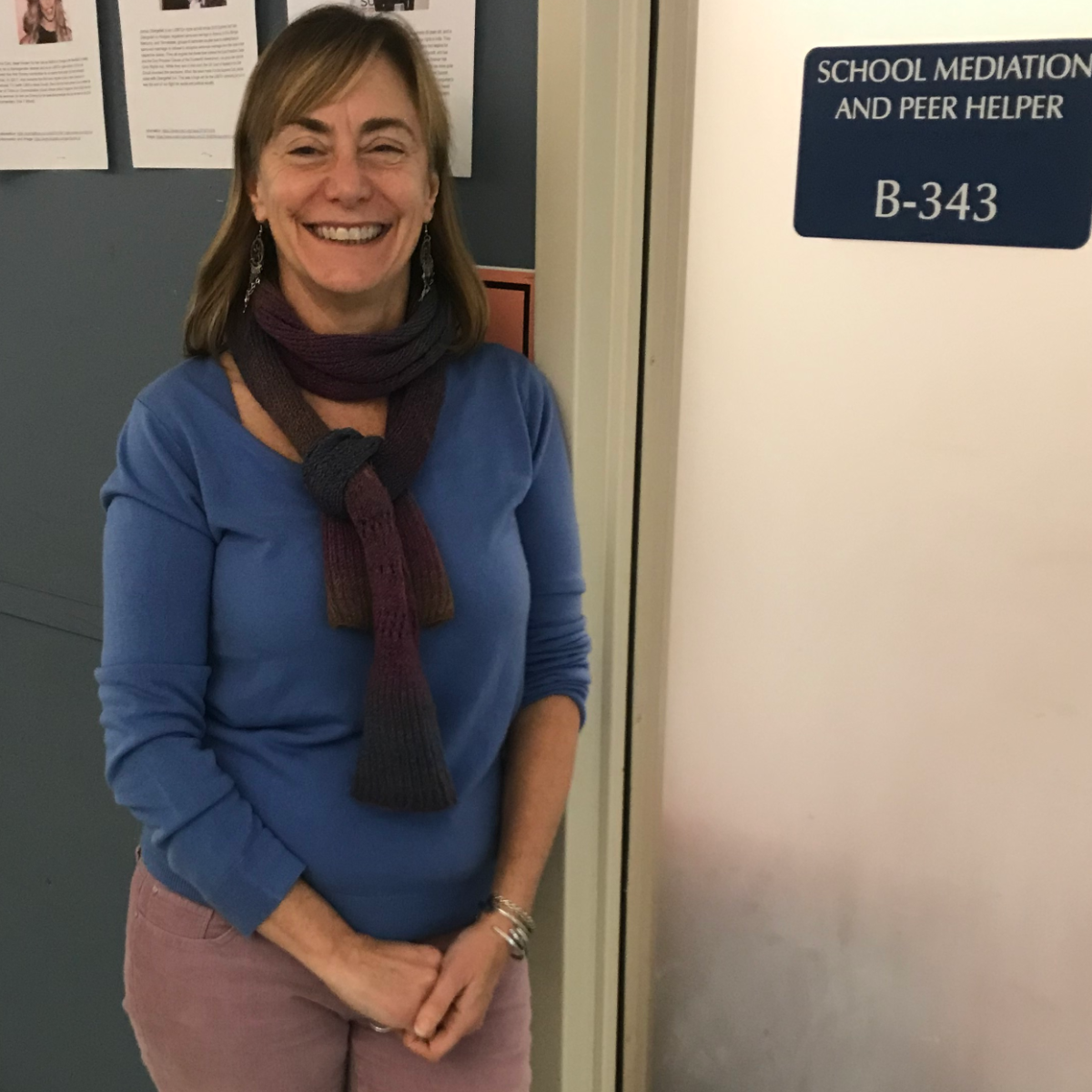
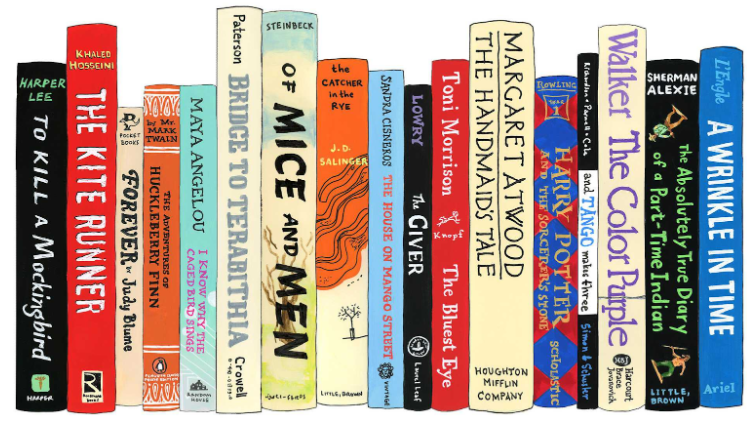
Reading is a major focus of education, and English classes are dedicated to analyzing the meanings of different texts. But why is reading so important? Recently, I sat down with two of the LS librarians, Ms. Myers and Ms. Chu, to discuss the benefits of reading, as well as the impacts of attacks on books such as challenges and bannings.
First of all, reading can help to provide an escape from the pressure of real life. According to Ms. Myers, this applies to her: “if I find something that I enjoy reading, it can be very soothing.” This fact is echoed by a 2009 study from the University of Sussex, in which researchers found that reading for only six minutes can reduce stress by up to 68%.
Beyond relaxation, books are a necessary way to both feel seen and be able to see a variety of perspectives. The work of Dr. Rudine Sims Bishop uses the idea of “windows, mirrors, and sliding glass doors” to explain this concept. Windows represent viewing stories that are different from yours, while sliding glass doors allow you to step into new worlds. Mirrors, on the other hand, are books which reflect your own life.
Both librarians agree that they make an effort to include books with a variety of experiences in the LS library. By reading diverse perspectives, “you are increasing empathy towards different people and experiences than yours,” says Ms. Chu. In a time when the world can feel divided, this compassion is especially important.
Given the multitude of benefits, how can people become more avid readers?
Both librarians agree that– due to varying interests and preferences– there is no “magic book” which everyone will enjoy. However, according to Ms. Chu, the inverse is also true. “I think there is a book out there for everybody, so when people say, ‘I hate reading,’ they probably just haven’t found that book yet,” she states. Overall, though, as Ms. Chu says, people are likely to connect with books “if the story is gripping, there’s a lot of action, there are characters that you relate to, and they’re written in a very authentic way.”
Many books also include themes and lessons that can be relevant to current events on both a global and personal scale. Ms. Myers states that “there are all kinds of stories about hope and redemption, life getting better for somebody, or somebody struggling through a hard time.” Ms. Chu recommends On Tyranny: Twenty Lessons From The Twentieth Century by Timothy D. Snyder, as it provides insights on governments in the United States and other countries.
Despite, and maybe because of, the books’ power, attacks on books have become increasingly common in recent years. Fortunately, L-S has not experienced any book challenges, but this does not mean that the issue is not widespread. In 2022, Massachusetts was ranked as the state with the fourth most attempts to censor reading materials. Also, Ms. Myers spoke of knowing other librarians in Massachusetts who have faced book challenges. Ms. Chu previously experienced the time-consuming, difficult process firsthand while working in another school.
These challenges are harmful because they restrict the rights of all students to access certain books, not just those whose families might have an objection to the book’s content. This limits a library’s ability to include books which represent a wide variety of identities in its catalogue. “I think that [people who challenge books] are trying to negate certain people’s lived experiences. Some of these books are non-fiction memoirs, and are you saying that these people’s lives are not valid, in some way?” says Ms. Chu.
Additionally, as Ms. Myers points out, censorship of books often does not come from a place of personal concern. Sometimes, small groups of people challenge many books without even having read them: “it feels disingenuous,” she says. She adds that “if someone has a legitimate issue with the book and they feel really strongly that it shouldn’t be in a school library,” they can arrange this privately with the school rather than restricting everyone from reading it.
As a final message, the librarians encourage people to stay conscious of the power of reading and take notice when it is infringed upon. As Ms. Chu states, it is important to “pay attention, especially for the book bans, to think … ‘Why do these people think that it’s important to keep certain books out of a high school library? Why these books?’” Overall, reading allows for greater empathy, representation, and understanding of the world, which is very valuable and should not be taken for granted.